AUSTRALIAN MADE & OWNED


Cellgen™ Application Performance
Why peptide size determines product outcome
Every batch of Cellgen™ is hydrolysed to the point where over 80% of the collagen peptides are smaller than 10,000 Da, and more than 25% of peptides are smaller than 5,000 Da. Small enough to maximise absorption, signal fibroblasts, and perform at a level that generically processed collagen cannot. The molecular weight of a collagen hydrolysate is not a secondary specification. It is the primary determinant of what that ingredient can and cannot do in a formulation.
Application 01
Wellness Innovations
Bioavailability is the defining metric in nutraceutical formulation and molecular weight is its single greatest lever. Lower-Dalton collagen peptides bypass the need for full protease digestion in the gut, allowing intact bioactive sequences to be absorbed and transported to target tissues including cartilage, bone and connective tissue at relevant concentrations. Generically processed collagen depends on the individual's digestive efficiency, which declines with age, stress and gut imbalance — precisely the populations most likely to be taking a collagen supplement.

Application 02
Ingestible Beauty
For ingestible beauty applications, the collagen peptide size determines whether the product delivers a measurable dermal outcome or simply provides a protein contribution indistinguishable from any dietary source. Smaller peptides have demonstrated the ability to stimulate fibroblast activity and upregulate endogenous collagen synthesis in the dermis. The Pro-Hyp dipeptide, abundant in low-molecular-weight hydrolysates, is recognised as a key signalling molecule for skin collagen production.
Application 03
Functional Beverages
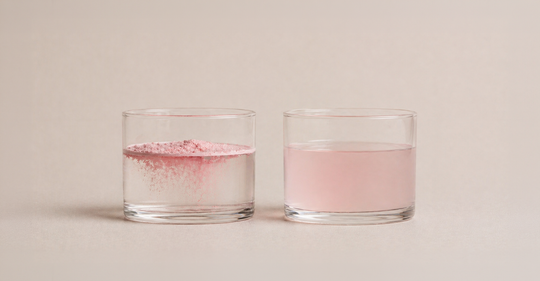
Beverage applications demand solubility, clarity and flavour neutrality — all of which are compromised by higher-molecular-weight collagen. Generic hydrolysates at elevated Dalton sizes frequently produce haze in cold liquids, resist full dissolution at lower temperatures, and can contribute an off-savoury note that limits formulation flexibility. The low viscosity (4–10 mPas) and spray-dried powder form of this specification means it dissolves cleanly in both hot and cold beverages, from RTD formats to functional waters, without affecting mouthfeel or clarity.

Application 04
Functional Foods
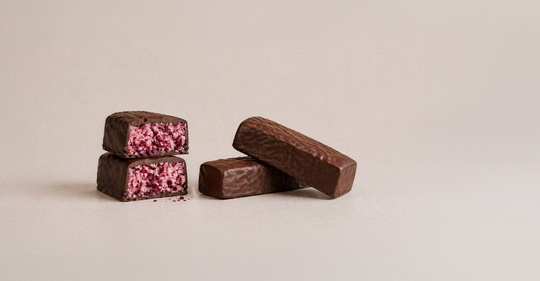
Cellgen™ disperses readily in food matrices without gelling, clumping, or altering texture. In functional food formulation this matters enormously — a smaller peptide size means faster gastric transit, earlier absorption at the intestinal wall and a higher proportion of bioavailable dipeptides and tripeptides entering systemic circulation intact. Generic collagen hydrolysates processed to higher Dalton weights require more enzymatic breakdown in the gut before absorption can occur, introducing variability and reducing the guaranteed functional yield per serve.
Application 05
Skincare & Topicals
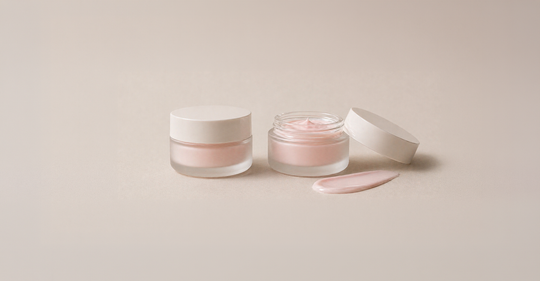
In topical formulations, molecular weight is the difference between a collagen ingredient that sits on the skin's surface and one that penetrates to the epidermis and upper dermis. The stratum corneum presents a significant barrier to larger molecules — peptides above approximately 3,000–5,000 Daltons cannot penetrate this layer through passive diffusion alone. Lower-Dalton collagen peptides in the 500–2,000 Da range can traverse the skin barrier to interact with dermal fibroblasts and stimulate matrix remodelling.
Application 06
Companion Nutrition
CellgenPet™ represents a new generation of companion animal wellness ingredients, where Australian provenance meets advanced bioactive science. Produced in real-time from fully traceable Australian bovine source material, CellgenPet™ is designed for premium pet nutrition, supplement and wellness formulations seeking exceptional ingredient integrity, consistency and performance. As modern pet parents become increasingly informed and discerning, demand is shifting towards transparent sourcing, cleaner ingredients and greater nutritional accountability. Concerns surrounding contamination, untraceable offshore supply chains and outdated industry practices have fuelled the growth of a new premium pet wellness sector. With responsibly sourced Australian raw materials, clean extraction methodologies, low molecular weight peptides and a commitment to bioactive integrity, CellgenPet™ provides innovative pet product formulators with a trusted collagen solution designed for the future of companion animal wellness.

1 / 6
Application 01
Wellness Innovations

Bioavailability is the defining metric in nutraceutical formulation and molecular weight is its single greatest lever. Lower-Dalton collagen peptides bypass the need for full protease digestion in the gut, allowing intact bioactive sequences to be absorbed and transported to target tissues at relevant concentrations.
Application 02
Ingestible Beauty
For ingestible beauty applications, the collagen peptide size determines whether the product delivers a measurable dermal outcome or simply provides a protein contribution indistinguishable from any dietary source. The Pro-Hyp dipeptide, abundant in low-molecular-weight hydrolysates, is recognised as a key signalling molecule for skin collagen production.
Application 03
Functional Beverages

Beverage applications demand solubility, clarity and flavour neutrality — all of which are compromised by higher-molecular-weight collagen. The low viscosity (4–10 mPas) and spray-dried powder form of this specification means it dissolves cleanly in both hot and cold beverages without affecting mouthfeel or clarity.
Application 04
Functional Foods
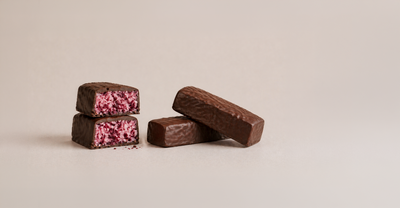
Cellgen™ disperses readily in food matrices without gelling, clumping, or altering texture. A smaller peptide size means faster gastric transit, earlier absorption at the intestinal wall and a higher proportion of bioavailable dipeptides and tripeptides entering systemic circulation intact.
Application 05
Skincare & Topicals
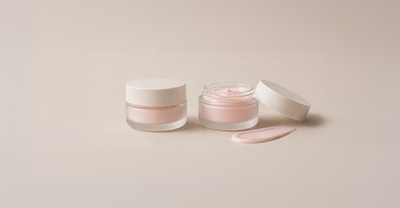
In topical formulations, molecular weight is the difference between a collagen ingredient that sits on the skin's surface and one that penetrates to the epidermis and upper dermis. Peptides above approximately 3,000–5,000 Daltons cannot penetrate the stratum corneum through passive diffusion alone. At 500–2,000 Da, Cellgen™ traverses the skin barrier to interact with dermal fibroblasts and stimulate matrix remodelling.
Application 06
Companion Nutrition

CellgenPet™ is produced in real-time from fully traceable Australian bovine source material, designed for premium pet nutrition, supplement and wellness formulations. With responsibly sourced raw materials, clean extraction methodologies and low molecular weight peptides, CellgenPet™ provides pet product formulators with a trusted collagen solution for the future of companion animal wellness.
Disclaimer
The information contained on this website is intended for professional formulation and industry reference purposes only. It does not constitute medical, therapeutic or clinical advice and should not be interpreted as such.
All scientific claims made on this website reference independent, peer-reviewed published research. NBAU does not make therapeutic claims regarding the treatment, prevention or management of any health condition.
Cellgen™ is supplied as a bulk ingredient to manufacturing partners. Formulating brands are responsible for ensuring their finished products comply with all applicable regulatory requirements in their respective markets. For technical documentation, certifications and full product specifications, please contact us directly.